
Collaborations
How to work with us
Almost everything on this site started with one message from a teacher, a librarian, a residence director, or a parent who knew someone. If you want to book a workshop, speak at a panel, sponsor a season, or just point us at someone worth talking to, any of these will reach us.
Contact
Four ways to reach us
Ways to help
What we are actually asking for
Speak on a panel
One evening, three segments, and a room of high schoolers who ask better questions than you would expect. We are looking for anyone working in security, from analysts to engineers to federal agents. You do not need to prepare slides.
Host a site visit
Show a group of our members what a real security operation looks like. Nothing sells the field to a teenager like watching people do the job.
Sponsor a season
Every workshop is free to the school or residence hosting it, so materials, printing, and travel come out of fundraising. Corporate sponsorships and employer matching go directly into programming.
Make an introduction
An introduction to a principal, librarian, or residence director is often worth more to us than a donation, particularly in districts and neighborhoods that do not already have programs like this.
Partner sectors
Who we work with
Reaching two thousand people takes more than a Monday club meeting. Every number on this site exists because someone else opened a door.
- Education
- School districts, individual teachers, and CTE pathway leads who host assemblies and staff training.
- Industry
- Cybersecurity professionals, engineers, and analysts who speak on panels and mentor members.
- Public sector
- Government and public safety partners working on digital safety, including the City of San Diego's Cyber Hub.
- Community
- Public libraries, senior residences, and nonprofits that connect us to families and older residents.
Expert panel
Who joined us at Del Norte
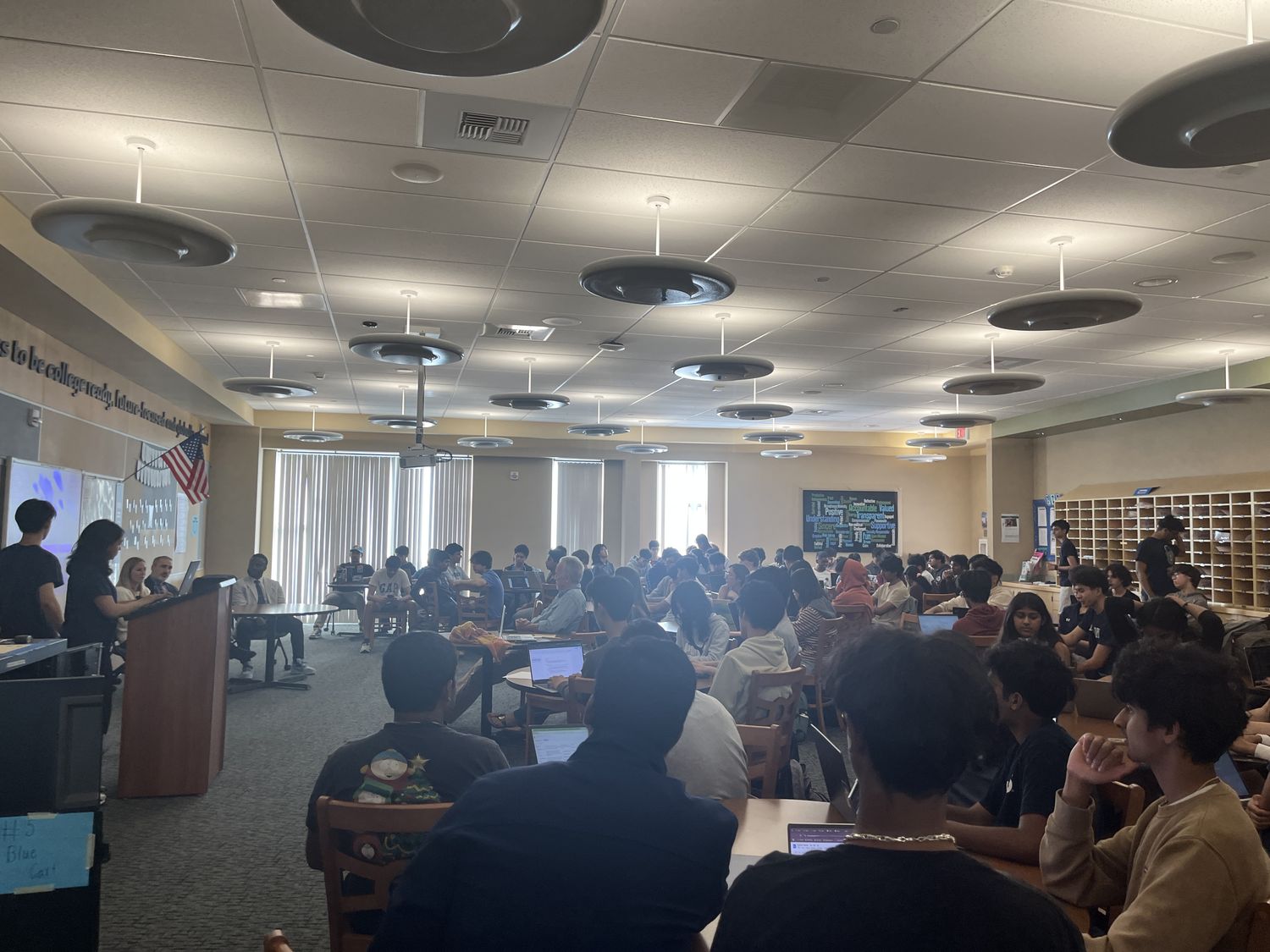
Our first Cybersecurity Expert Panel brought three professionals to Del Norte to talk about the threat landscape, career paths, and where the field is heading. We are running a second panel this year.
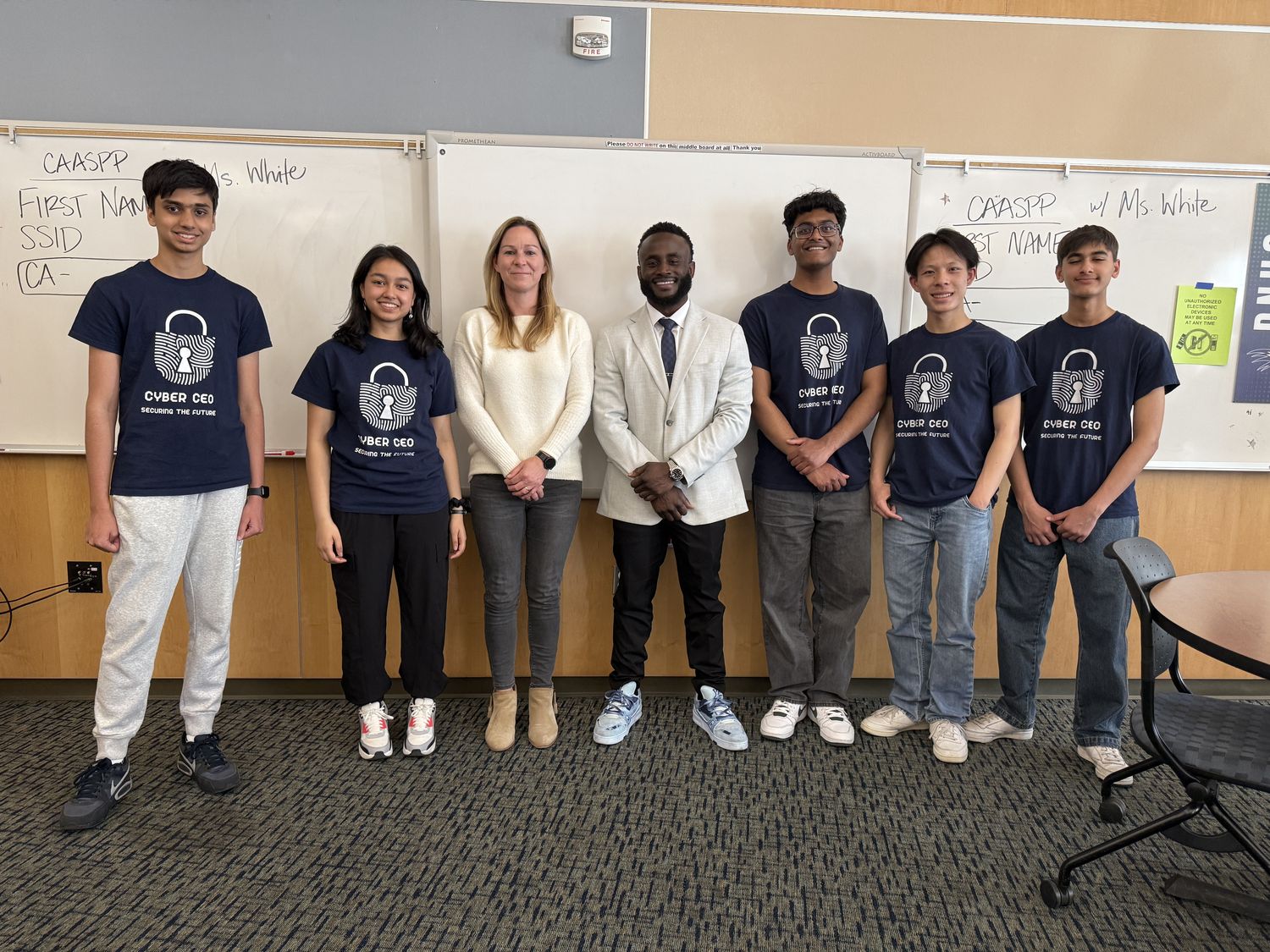
David Tomasz
Intelligence Analyst, FBI San Diego Field Office
Works in the FBI's San Diego cybercriminal squad, supporting investigations across San Diego and Imperial County and studying emerging cybercriminal threats. He is a ransomware subject matter expert whose papers have been briefed to the president and the national security council. Before the Bureau he was Director of Research and Development at the Southeast Asia Center and taught international relations and comparative politics at Texas State University.
Tricia Mercer
Chief People Officer, INDUS
Leads talent, human resources, security, facilities, IT, and administration at INDUS. She has over 20 years of defense industry experience and supported C4I systems as an information systems and cybersecurity engineer before moving into leadership. She also serves on the boards of the San Diego Cyber Center of Excellence and United Way of San Diego County.
Victor Nzeata
Founder and CEO, Cyber Brain Academy
In 2016 he became the U.S. Army Reserve's first graduate of the U.S. Army Cyber School, and went on to lead teams in defensive and offensive cyber operations. He now runs Cyber Brain Academy, which provides cybersecurity training and certification preparation, teaches as an adjunct professor at the University of San Diego, and is pursuing a Ph.D. in information security at Purdue.
The panel runs in three segments, the threat landscape, career opportunities, and the future of the field, with moderated and student submitted questions throughout.
For students
What you get out of a panel
A map of the field
Which roles exist, what they involve day to day, and which ones might suit you.
Clarity on credentials
Which certifications matter, which degrees help, and where neither is required.
Something to do now
Concrete steps you can take in high school, like competitions, labs, and clubs, instead of waiting for college.